This page highlights the key information you need to help you choose the right DustFreeHay product to suit your needs.
Packs
Packaging materials can be recycled
✓ Cardboard 2kg Packs
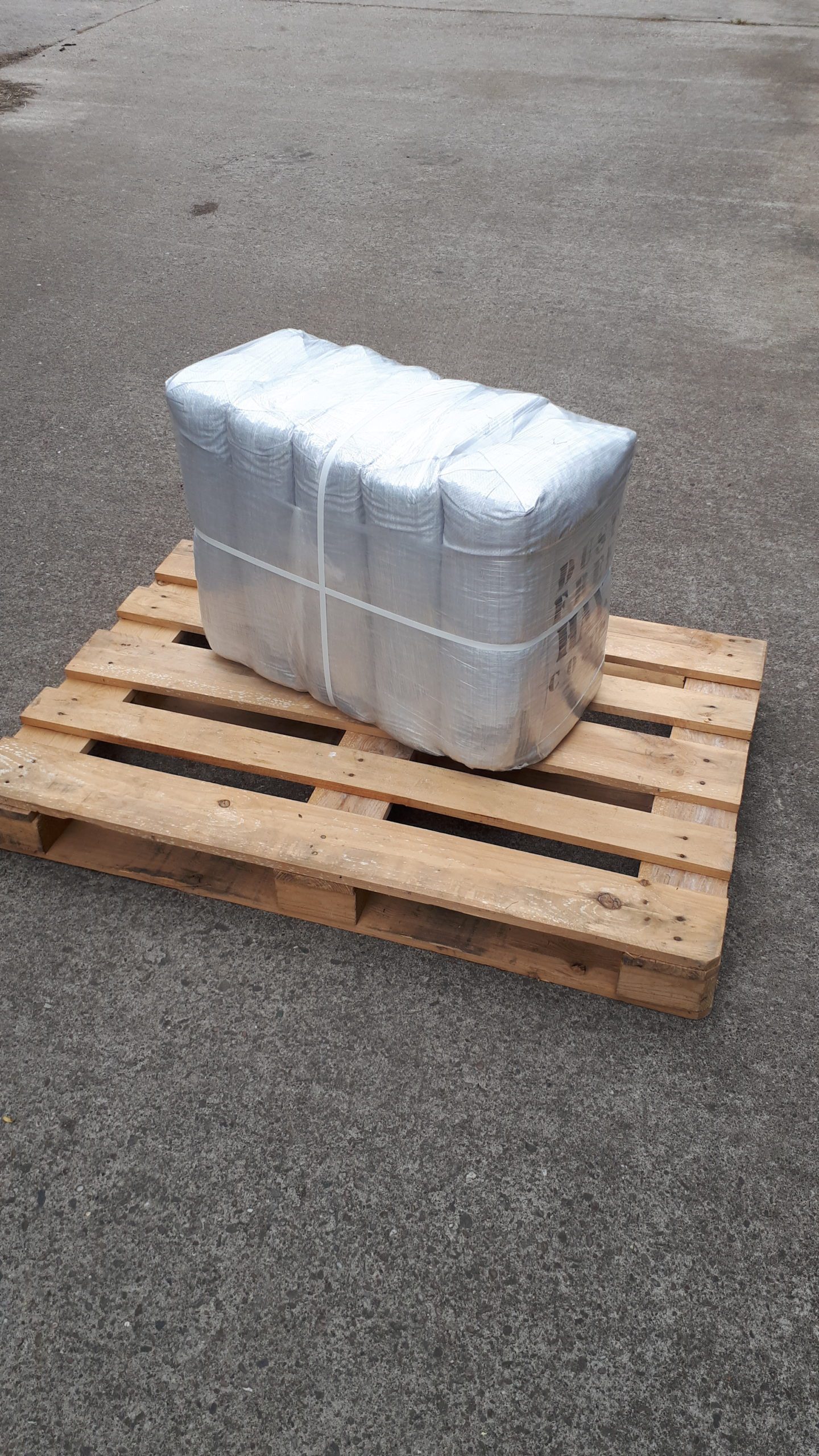
✓ Five Packs 10-12kg
✓ Our Large Bales 8kg
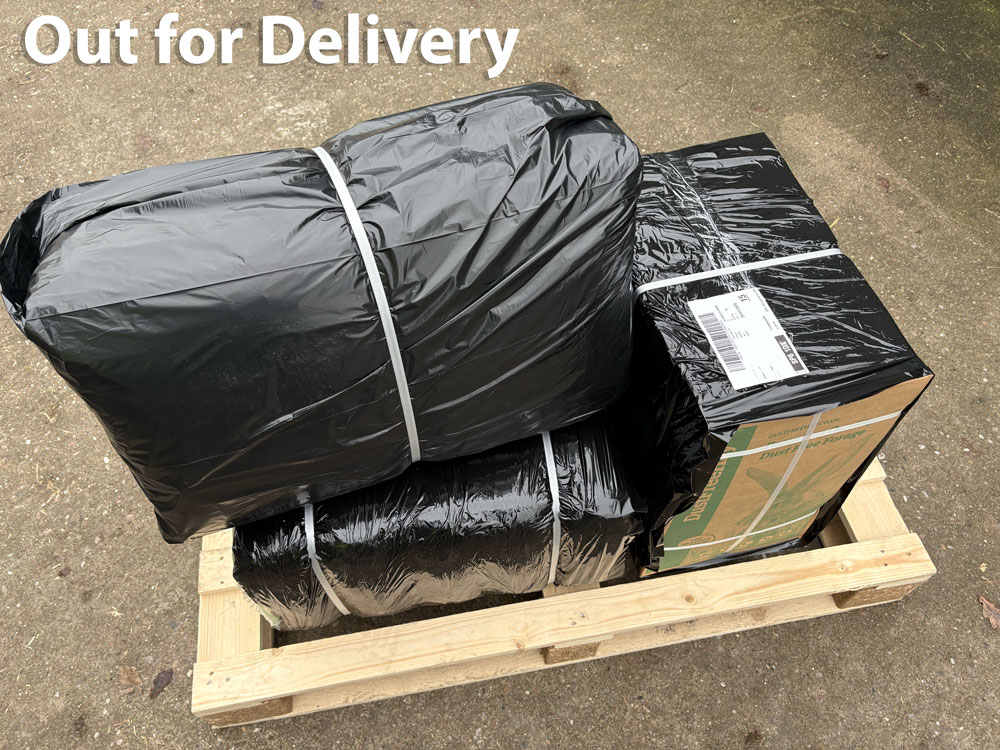
Delivery
Using DHL
✓ Next Working Day Delivery
✓ Order before mid day
✓ Time slot Text
✓ Online tracking
Easy to Order
Mix Textures/Types
✓ Choice of Textures
✓ Mix and Match
✓ Friendly Helpful Service
Our Hay Types
We offer a choice of Hay types
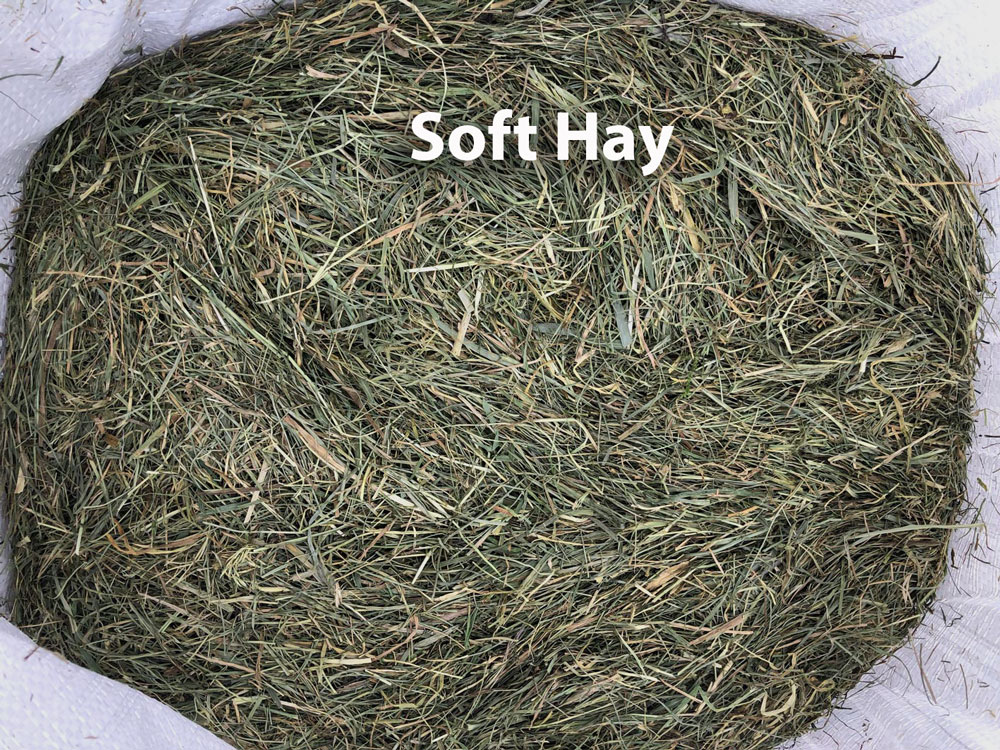
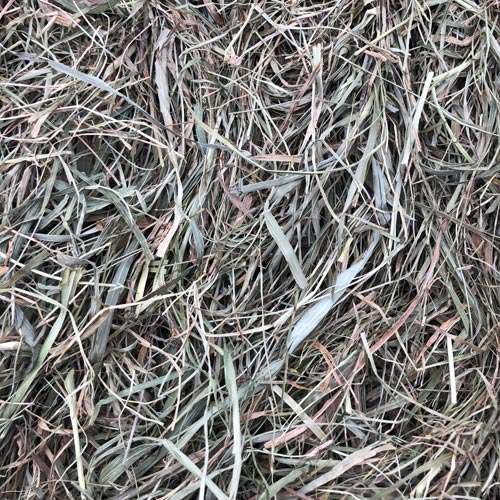
- Soft Hay
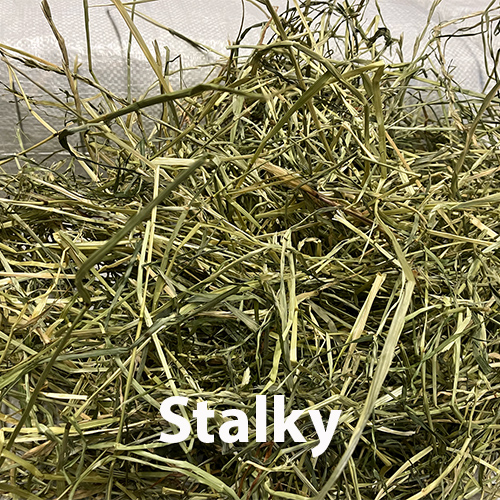
- Stalky Rye Hay
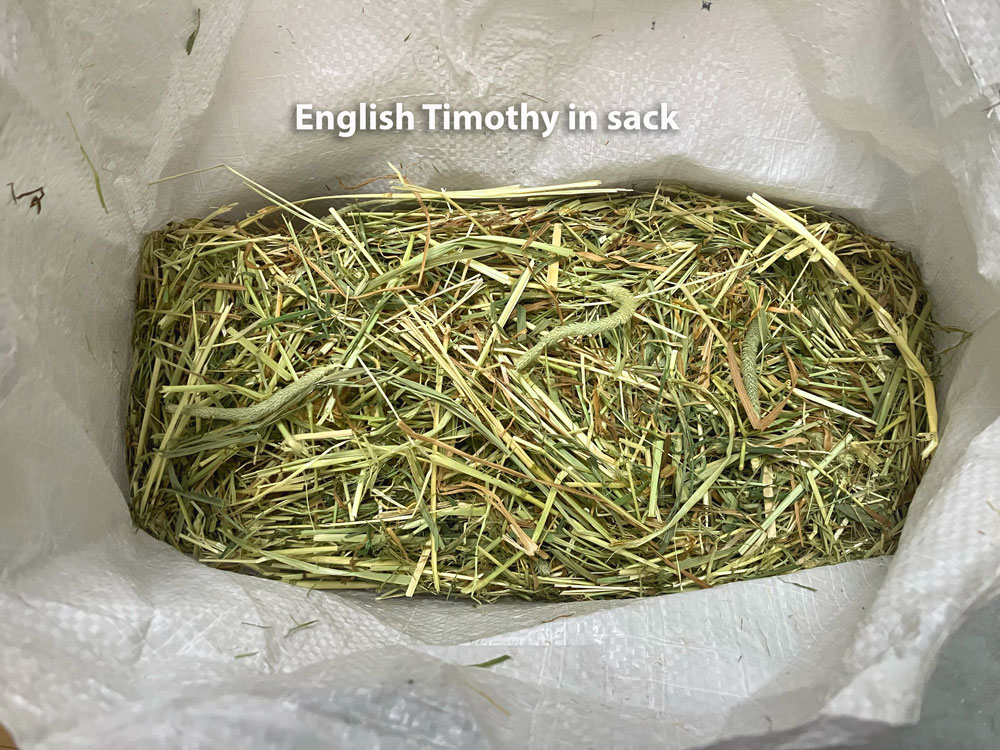
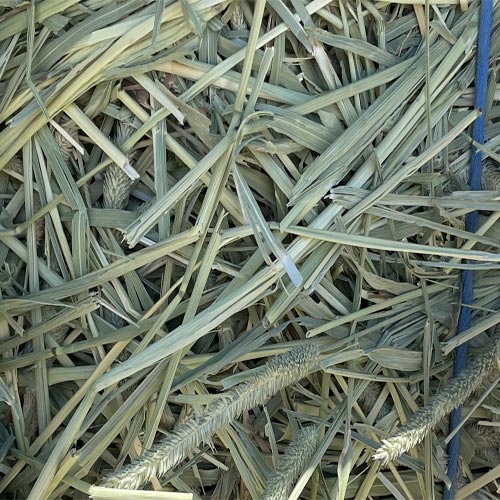
- English grown Timothy
- American-grown Timothy
- Standard “Middle of the road”
- Meadow Mix Soft hay
- with some Timothy
| Packed in | Large | Fives | Boxes |
|---|---|---|---|
| Soft | ✓ | ✓ | ✓ |
| Stalky | ✓ | ✓ | ✓ |
| US Tim | ✓ | ||
| UK Tim | ✓ | ✓ | ✓ |
| M Mix | ✓ | ||
| Standard | ✓ | ✓ | ✓ |
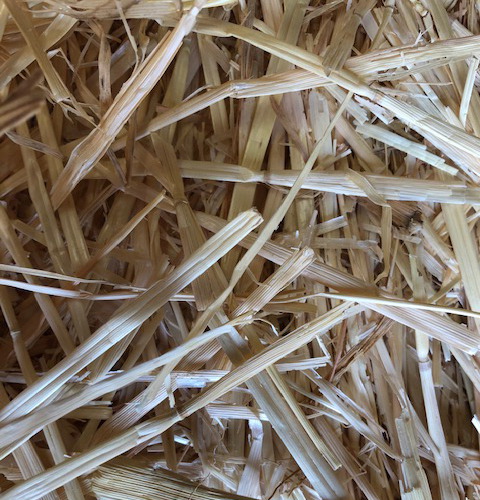
| Straw | ✓ |
Our Pack Choices
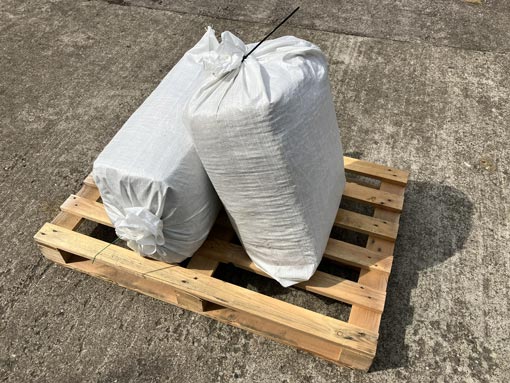
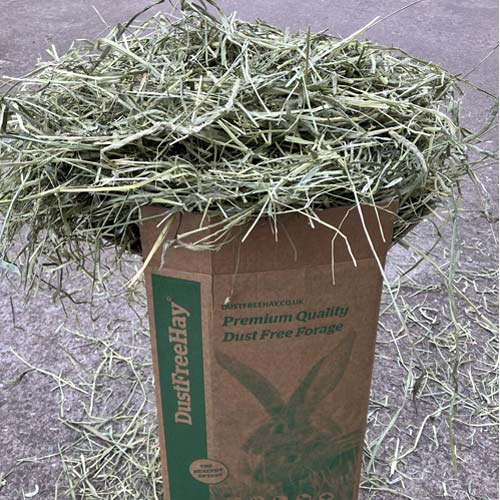
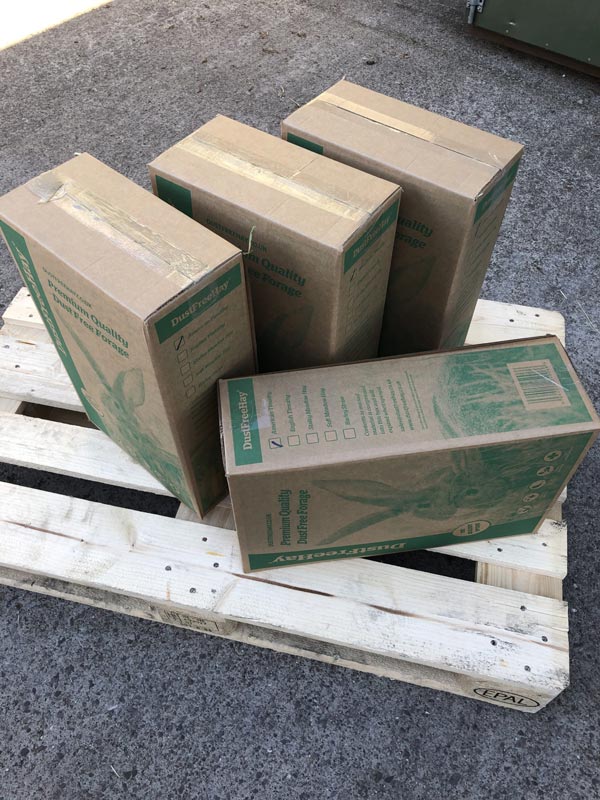
There’s a size to suit all needs, be it the Large Bale to Five packs that can be broken down for easy storage and machine compressed into breathable polyprop sacks or boxes. With the Box option, you can order a combination of hay textures up to four boxes.
American Timothy Only section, you can order up to eight. You can also include American Timothy in a box combination too.
This video shows how much we compress into a Large Bale. While one 2kg Bale will fill one dustbin.
Most hay, as it comes off the field will have varying degrees of dust, it cannot be avoided. Claims that hay has no dust in it can be misleading, and dust extracted usually means a small amount has been removed.
The Dust we remove
It’s not just the quality of the hay and straw we use, our Dust Removal Process makes a huge difference over most hay. The videos show and highlight just how much we can take out of the hay, its usually the soft hay we remove most from.
Our aim is to remove the very fine dust that you may only see in a shaft of sunlight or when it settles on a surface. It’s not good to inhale this by any animal or indeed by their keepers. It’s a big contributor to COPD, which is reflected in our customer reviews, indicating that this helps with asthmatic symptoms too. Our efficient purpose-made facility eliminates practically all the airborne dust through various stages, with small bales and boxes subject to the most procedures. Check out the videos.
There’s always a weather related issue with farming!
In season 2025 we experienced a very dry Spring, which has almost halved the amount available to harvest compared with other years and has led to a near doubling of prices at the farm gate. While we see this as a temporary issue, we have decided to ride it out as best we can until the next hay-making season in June.
A significant amount of French hay has been imported in an attempt to satisfy demand, something we have chosen to avoid, as we believe the Channel has historically provided a useful barrier against any unwanted pathogens that may be present elsewhere in Europe!.
The dry spring has also reduced both the length and quality of the hay compared to what we would normally expect, but unfortunately that’s something we can do little about for the time being. As a result, the hay contains more short pieces, with a greater proportion needing to be sent for pelletising. Fortunately, our system is working well at removing the unpleasant airborne dust, which there seems to be more of this year too.